

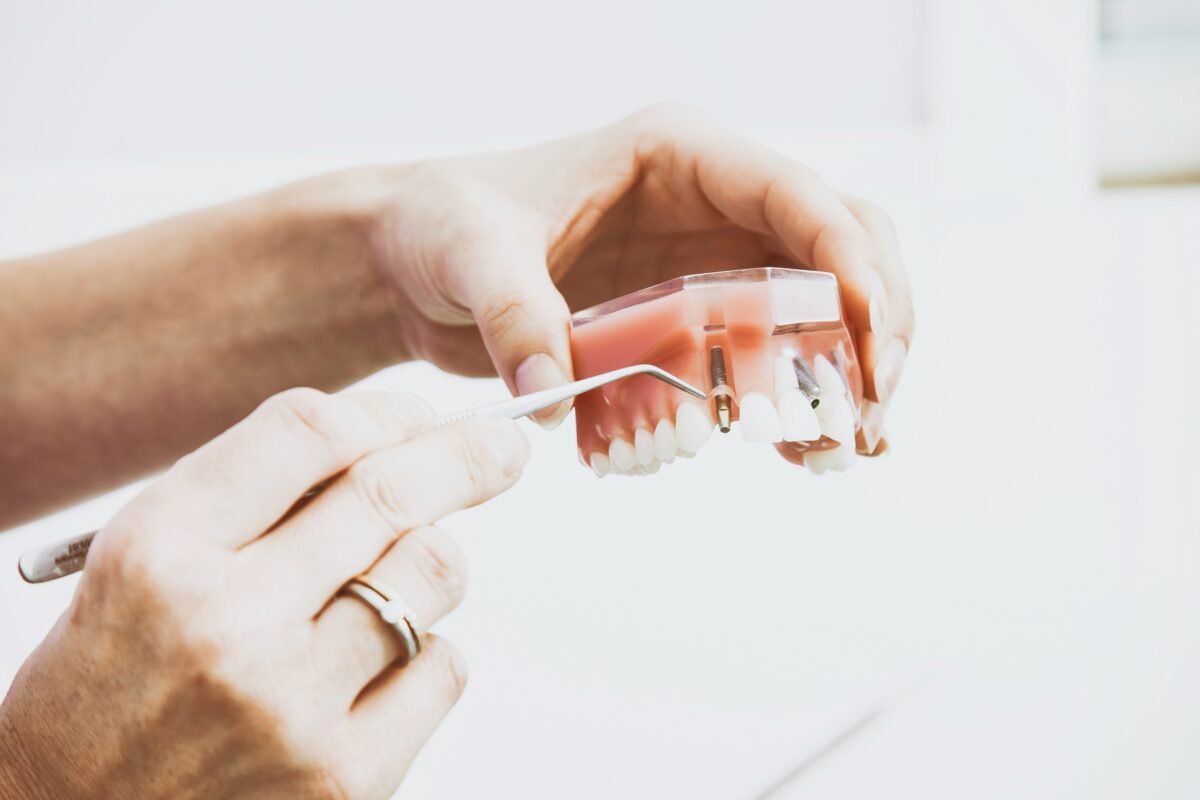
Protecting your child’s dental health is vital for their overall well-being and self-esteem. As they transition from baby teeth to adult teeth, establishing strong dental habits early on can prevent cavities and foster a bright, confident smile that lasts a lifetime. This comprehensive guide highlights essential elements of children’s dental care, such as teeth development, effective brushing techniques, selecting the ideal toothbrush, understanding the role of fluoride, the benefits of dental sealants, the importance of regular dental check-ups, and the various dental health care options available in the USA. Start investing in your child’s smile today for a healthier tomorrow!
Teeth Development
Children usually start losing their baby teeth around age 6, with adult teeth coming in by age 12. If baby teeth appear late, adult teeth might also emerge later. If you’re worried about your child’s dental growth, don’t hesitate to consult a dentist – it’s always better to be safe than sorry.
As adult teeth begin to come in, be sure to establish a gentle brushing routine to maintain oral health, and allow baby teeth to fall out naturally. If an adult tooth appears before the corresponding baby tooth has fallen out, the baby tooth should typically loosen and come out within a couple of months. If it doesn’t, seeking advice from a dentist is strongly recommended to ensure your child’s dental health is on track.
Dental Care: Keeping Teeth Clean
Brush twice daily — morning and night. Use a pea-sized amount of low-fluoride toothpaste for ages 3–6, switching to regular toothpaste after age 6. Children can begin brushing with supervision around school age, though assistance is advisable until at least age 8. Daily flossing and rinsing with water after meals are also helpful.
The Best Way to Brush
- Stand behind your child, ideally in front of a mirror
- Tilt the toothbrush bristles towards the gums and use gentle circular motions
- Make sure to brush all surfaces of the teeth, including the tongue
- Brush for about 2 minutes, encouraging your child to spit without rinsing
- Maintain a healthy diet to prevent decay by limiting sugary snacks and drinks.
Toothbrushes: Choose Wisely and Maintain for Best Results
Selecting the right toothbrush is essential for optimal oral health. Opt for a toothbrush with soft bristles, a long handle, and a small head to reach every corner of your mouth. Whether you prefer a manual or an electric toothbrush, both can provide excellent results when used correctly. Remember to rinse your toothbrush after each use and store it upright to ensure it dries properly. To maintain effective cleaning, replace your toothbrush every 3 to 4 months or sooner if the bristles show signs of wear. Your smile deserves the best care!
Fluoride in Dental Care
Fluoride strengthens teeth, found in toothpaste, tap water, and some foods. After age 6, children can use regular fluoride toothpaste. For high-risk children, dentists may recommend extra fluoride treatments.
Dental Sealants
Dentists often recommend sealants for school-age children. These protective coatings prevent decay by covering the grooves on chewing surfaces. Sealants are simple to apply and checked during regular visits.
Visiting the Dentist
Children should visit the dentist every 6–12 months. Dentists may refer children to other specialists based on specific needs.
Dental Health Care in the USA
In the U.S., public programs like Medicaid and CHIP provide dental care for eligible children. Private clinics also offer services, often with partial insurance coverage. Contact your state health department for details on local services.
